
How to Plan Your Garden Around Local Frost Dates
Learn how to look up your local spring and fall frost dates, understand freeze probability thresholds, and build an accurate planting schedule.
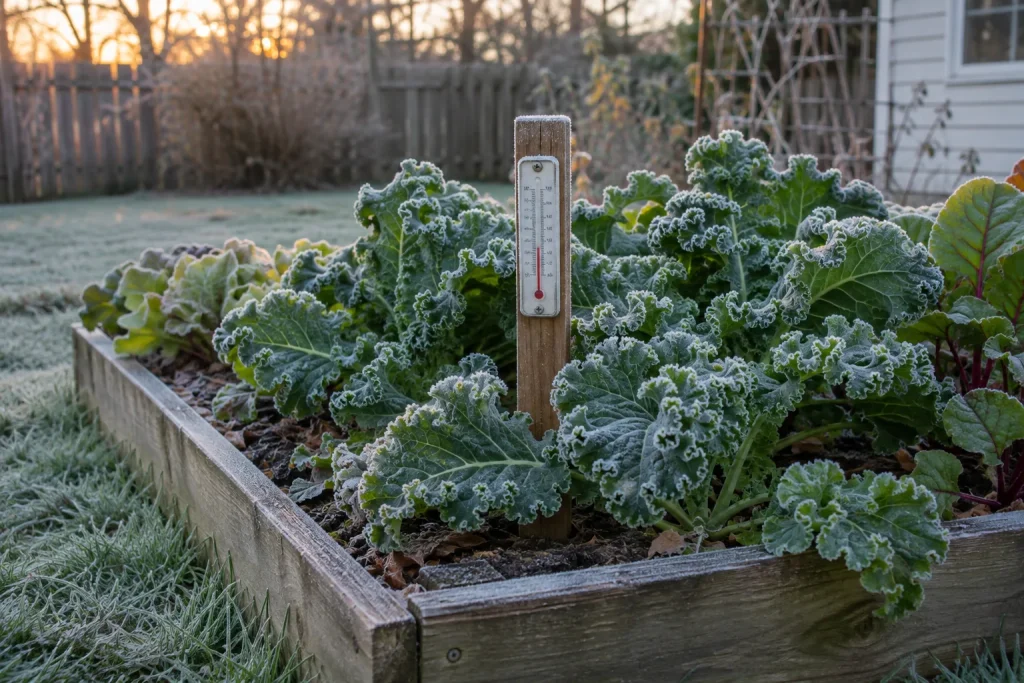
Plan your gardening season by using your local average last spring freeze and first fall freeze as baseline anchor dates. These statistical benchmarks—published by the National Oceanic and Atmospheric Administration (NOAA)—establish the length of your outdoor growing season. By counting backward from your spring freeze date, you can determine exact indoor seed-starting windows, and by counting forward, you can safely schedule the outdoor transplanting of frost-tender crops. NOAA Climate Data on Freeze Dates · University of Maryland Extension
1. What frost dates actually mean
Most published “frost dates” represent the 50% probability date of a 32°F temperature occurrence based on 30-year climate averages:
- In spring: There is still a 50% chance that freezing temperatures will occur after the average date. Planting tender vegetables on the exact average date carries a 1-in-2 risk of frost damage. Waiting 10 to 14 days after the average date reduces the freeze risk to under 10%.
- In fall: The average first frost date marks the statistical point when half of historical years have experienced their first killing freeze.
Temperature thresholds impact plants differently:
| Freeze Category | Temperature Range | Effect on Garden Plants |
|---|---|---|
| Light Freeze | 29°F to 32°F | Kills tender crops (tomatoes, peppers, cucumbers, basil, zinnias). Cool-season brassicas and root vegetables survive undamaged. |
| Moderate Freeze | 25°F to 28°F | Causes widespread damage to most garden vegetation. Semi-hardy crops (lettuce, chard) suffer leaf burn. Hardy greens (spinach, kale, collards) survive. |
| Severe Freeze | 24°F and lower | Kills almost all annual vegetables and tender perennials; triggers winter dormancy in hardy root crops and garlic. |
2. Spring planting timeline (counting from last freeze)
Use your local average last spring freeze date as Day Zero and build your spring schedule:
- 8 to 10 weeks before last freeze: Start slow-growing, cool-season crops indoors under lights, including onions, leeks, celery, and parsley.
- 6 to 8 weeks before last freeze: Start warm-season nightshades (tomatoes, sweet peppers, eggplants) indoors in clean cell packs. If you are setting up seed trays, review our advice on Seed Starting Mix vs. Potting Mix to select the right growing medium.
- 4 to 6 weeks before last freeze: Prepare workable outdoor beds. Direct sow cold-hardy crops: peas, spinach, and radishes. Plant onion sets.
- 2 to 4 weeks before last freeze: Transplant hardened broccoli, cabbage, and kale seedlings into garden beds. Direct sow carrots, beets, and loose-leaf lettuce.
- 0 to 2 weeks after last freeze: Monitor local 10-day forecasts. Once night temperatures consistently stay above 50°F and soil reaches 60°F, transplant tomatoes, squash, and cucumbers outdoors. For step-by-step seedling care, read How to Start Seeds Indoors.
3. Fall garden planning (counting backward from first freeze)
A fall garden requires counting backward from your average first fall freeze date using the days to maturity listed on your seed packet.
Because autumn days shorten and temperatures drop, crops grow more slowly in September and October than in June. Add an extra 10 to 14 days (often called the fall factor) to the packet maturity time.
Formula for Fall Sowing:
Formula: Days to Maturity + 14 Days (Fall Factor) = Total Days Before First Fall Freeze
Example. If your first fall freeze averages October 20 and you are sowing bush beans that mature in 50 days:
Formula: 50 + 14 = 64 days
Count backward 64 days from October 20, which places your final planting date around August 17.
4. Four steps to verify local conditions
- Look up your zip code on NOAA. Check official station data rather than state-wide generalizations.
- Account for microclimates. Gardens at the bottom of valleys or low hollows trap cold air and experience frosts several days earlier in fall and later in spring than gardens situated on south-facing slopes.
- Check the 10-day forecast, not just the calendar. Calendar dates are historical probabilities. Never transplant tender crops without verifying that nighttime lows over the next 10 days will stay safely above 45°F to 50°F.
- Measure soil temperature. Warm-season seeds and transplants need warm soil, not just warm air. An inexpensive probe thermometer inserted 2 inches into garden soil provides the most reliable planting signal.